Opener runs but the door doesn't move
Often tied to a disengaged trolley, a stripped drive gear, a broken sprocket, or a door that's binding and forcing the opener to stop.
Describe what your opener is doing once and we'll connect you with a local contractor who repairs openers, remotes, keypads, and safety sensors.
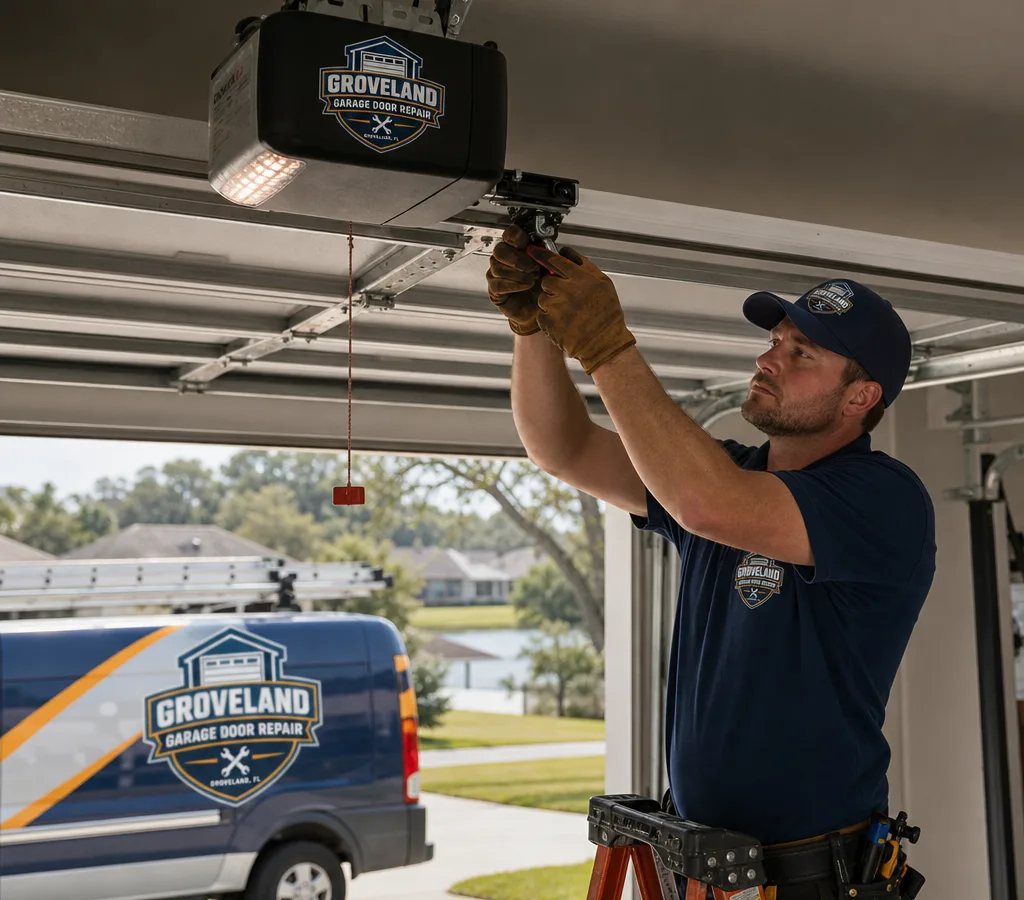
If you're searching for garage door opener repair Groveland FL, you're usually dealing with one of two situations: the motor unit has power but won't run correctly, or the door system is binding and making the opener act like it's failing.
A local contractor will typically start by separating those two causes, because the fix is different. The opener is only one part of the system. The door itself rides on rollers in tracks and is counterbalanced by torsion springs above the door or extension springs along the tracks. If the door is heavy, crooked, or sticking, an opener can strain, get noisy, reverse unexpectedly, or stop and flash an error.
For opener-specific problems, repair often centers on these components:
In Groveland, homes commonly have garages that face open driveways and bright afternoon sun. Direct sun on the photo eyes can mimic a blocked beam and keep the door from closing. A contractor will look for that pattern, along with loose sensor brackets caused by everyday bumps and vibration.
If the door is binding, the contractor may recommend addressing rollers, track alignment, or spring balance first. That protects the opener and often fixes symptoms that look like an opener failure.
If you also need help with door issues beyond the opener, garage door repair may be the next step the contractor discusses after diagnosing what's causing the opener to struggle.
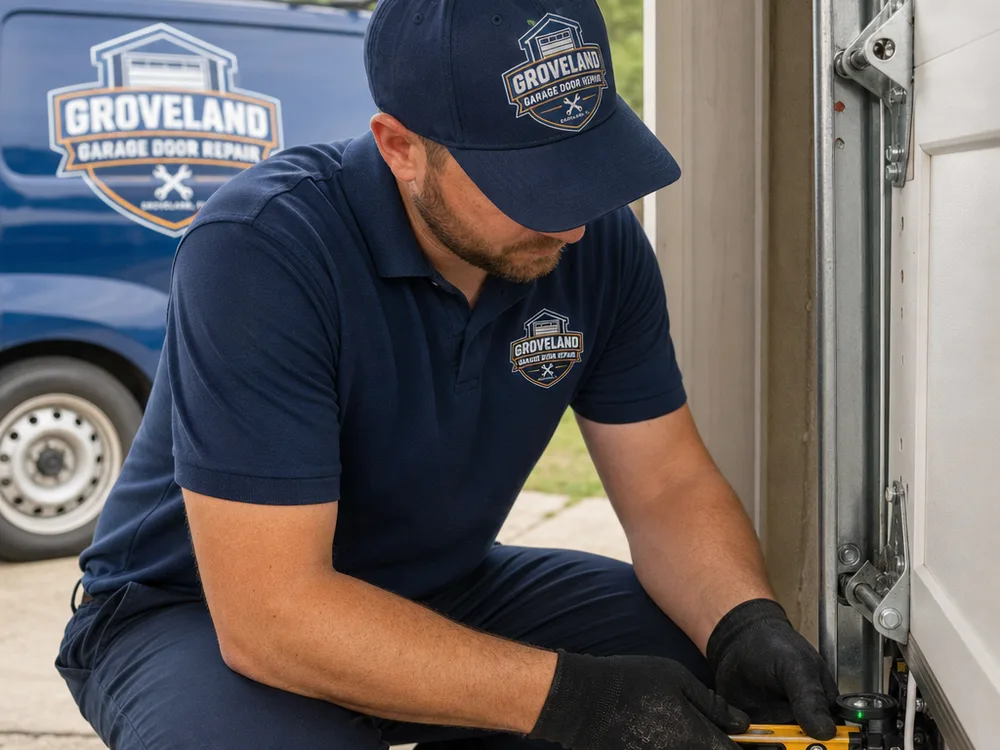
Often tied to a disengaged trolley, a stripped drive gear, a broken sprocket, or a door that's binding and forcing the opener to stop.
Usually a photo-eye alignment or wiring issue, a travel limit setting that's off, or resistance from the door hardware that trips the safety reversal.
A contractor checks batteries and contacts first, then signal range, antenna position, and reprogramming. Sometimes the issue is a failing receiver or logic board.
Chain tension, worn rollers, loose mounting, or a failing motor gear can create noise. The door's balance and track condition also matter.
This can point to safety sensor faults, a logic board issue, a bad wall control, or an internal thermal shutdown on an aging motor.
Share the symptom—won't open, won't close, reverses, noisy, or only works sometimes—and whether the wall button, remote, or keypad behaves differently.
You'll be connected with an independent contractor who works on opener repair in the Groveland area and can discuss next steps directly.
Expect questions about flashing lights, sensor alignment, power, and whether the door moves smoothly by hand with the opener disconnected.
The contractor explains the repair options. You can ask about parts and recommended door hardware adjustments before deciding.
If your garage door opener won't close or your remotes aren't responding, describe the symptoms once and get connected with a local contractor who handles opener troubleshooting and repair.
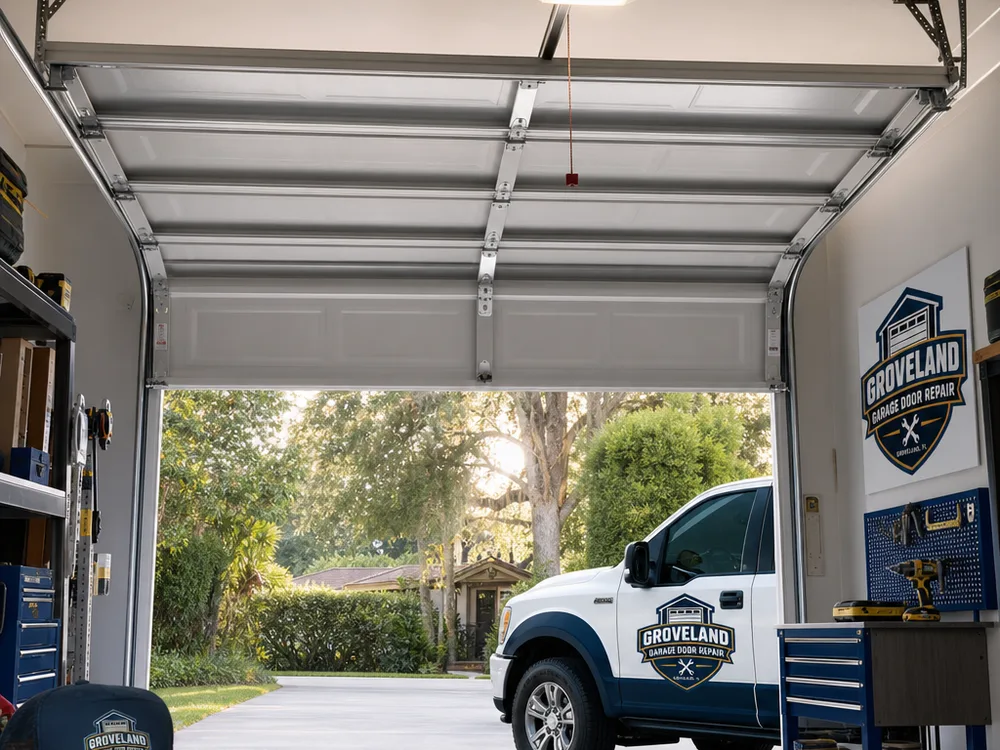
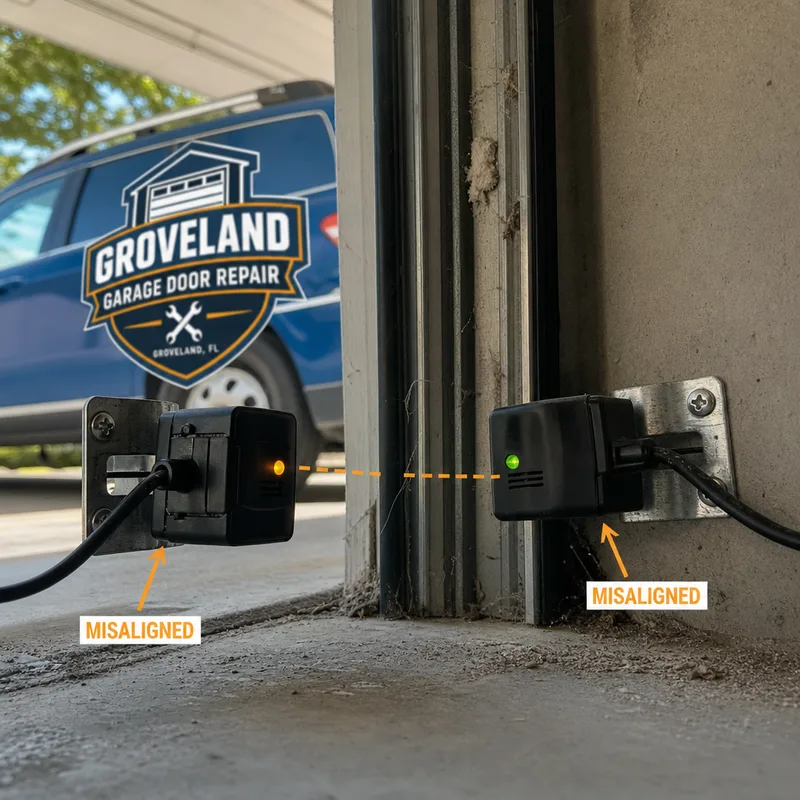
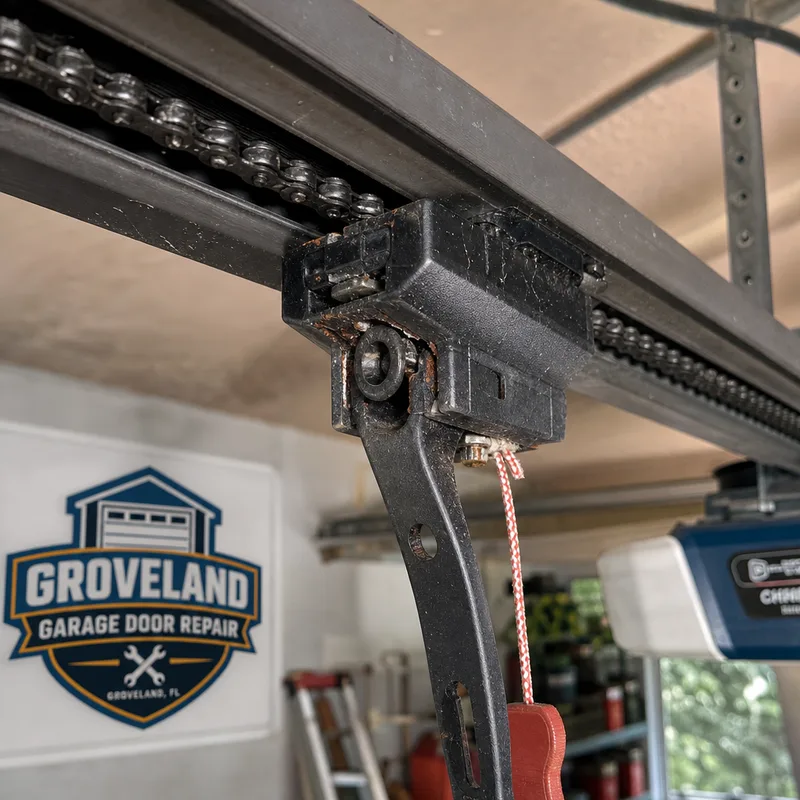
If the door feels heavy or won't move smoothly by hand with the opener disconnected, the issue is often with the door hardware, not the motor unit. A contractor may ask you to pull the emergency release with the door closed and lift the door manually to check for binding, sticking tracks, or balance problems.
The most helpful details are what the door is doing—nothing, partial travel, or reversal—whether the wall button works, and whether the opener lights flash an error pattern. If you can safely do so, note whether the safety sensors have solid or blinking indicator lights and whether anything recently bumped the sensor brackets.
A close-then-reverse pattern is commonly caused by photo-eye sensor problems, travel limits that need resetting, or resistance in the door system. In bright Florida daylight, direct sun on one sensor can also interfere with the beam, so the contractor will consider time of day and lighting conditions during troubleshooting.
It often points to programming, a keypad battery or contacts issue, or a setting related to lock or vacation mode on the wall control. A contractor can walk through reprogramming and check whether the receiver or logic board is intermittently dropping signals.
Not always. Noise can come from a loose opener mount, chain tension, or a worn gear, but it can also come from the door: dry or worn rollers, track misalignment, or a door that's out of balance and forcing the opener to work harder.
Sometimes sensors only need realignment, cleaning, or wiring repair at the terminals. If a sensor has an internal failure or water intrusion, replacement is often the practical fix. The contractor will typically verify alignment and wiring before recommending parts.
The contractor typically checks door movement and balance, inspects sensors and wiring, verifies the opener's travel limits and force settings, and tests remotes and wall controls. Once the cause is confirmed, they'll explain repair options and any adjustments needed to keep the opener from straining.
Call Groveland Garage Door Repair and describe what's happening with the opener once. We'll connect you with a local contractor who can diagnose the issue and talk through the repair options with you directly.
CALL NOW: (352) 449-3547